

Showing posts with label animals. Show all posts
Showing posts with label animals. Show all posts
June 10, 2012
Atlantic Puffin

Beaver teeth

March 10, 2012
Cow: Produces around 200,000 glasses of milk
A cow produces around 200,000 glasses of milk in her lifetime.
Impressive!!
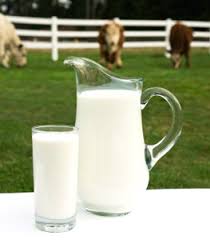
Photo: canigivemybaby(dot)com
Impressive!!
Photo: canigivemybaby(dot)com
January 20, 2012
Cows: Able to detect odors 5 miles away
Cows can detect odors up to 5 miles away.

Photo: peachygreen(dot)com
Photo: peachygreen(dot)com
January 14, 2012
1.3 minutes for Cheetahs to run the length of the Golden Gate Bridge
At their maximum speed of 75 mph, a cheetah can run the length of the Golden Gate Bridge in 1.3 minutes!
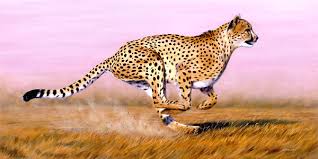

Photo (cheetah): onlineartdemos(dot)co(dot)uk
Photo (Golden Gate): Wikipedia
Photo (cheetah): onlineartdemos(dot)co(dot)uk
Photo (Golden Gate): Wikipedia
December 29, 2011
New Zealand: 8 times more sheep than people
There are almost 8 times more sheep than people in New Zealand!
Baaaa!!

Photo: myadventuresinnz(dot)blogspot(dot)com
Baaaa!!
Photo: myadventuresinnz(dot)blogspot(dot)com
August 22, 2011
Five Flamingo Facts
- A flamingo can eat only when its beak is upside-down.
- Young are born white and grey and don't turn pink until until two years.
- The Greater Flamingos (Phoenicopterus ruber) pink colours come from the shrimplike crustaceans which they eat.
- The Andean Flamingos (Phoenicopterus andinus) are migrant birds and can travel 700 miles a day
- In Ancient Rome, flamingo tongues were a delicacy.

Stealing Stones
Adult Adélie (Pygoscelis adeliae) penguins have been known to steal rocks from their neighbours' nests.
In October, the spring breeding season begins and the penguins go to the Antactic coastline and build nests and line them with small stones

In October, the spring breeding season begins and the penguins go to the Antactic coastline and build nests and line them with small stones
August 10, 2011
Only 3 species of elephants.......
Only three species of elephants still live today. These include the African Forest Elephant, African Bush Elephant, and the Asian Elephant, which is also known as the Indian Elephant.
The African Bush Elephant has a short and wide mandible compared to the African Forest Elephant whose mandible is long and narrow. Also the ears of the latter elephant is more rounded and their tusks are straighter and point more downwards than the former elephant. The Asian Elephant is the smallest of the three species.
Between the three species of elephants, their hind feet usually have three to four toenails while their front can have four to five toenails.
The African Bush Elephant has a short and wide mandible compared to the African Forest Elephant whose mandible is long and narrow. Also the ears of the latter elephant is more rounded and their tusks are straighter and point more downwards than the former elephant. The Asian Elephant is the smallest of the three species.
Between the three species of elephants, their hind feet usually have three to four toenails while their front can have four to five toenails.
July 13, 2011
Hippos
Here are some facts about hippos:
The word 'hippopotamus' comes from the ancient Greek, meaning 'river horse'.
They only natively live in Africa.
Male hippos are called bulls; females are called cows.
Hippos live in groups of around 30. The 'groups' are called either pods, herds, dales, or bloats.
Hippos can kill crocodiles.
Hippos kill more people each year than lions, elephants, leopards, buffaloes, and rhinos combined.
Humans have been trampled over by hippos, gored by them, and drowned by them (when they tip over their boats and pull the humans underwater).
Despite looking all overweight and having such short legs, they can easily outrun humans at a ranged speed of 30 to 40 km/hr.


[Source: Wikipedia, Smithsonian Magazine; Image: National Geographic]
The word 'hippopotamus' comes from the ancient Greek, meaning 'river horse'.
They only natively live in Africa.
Male hippos are called bulls; females are called cows.
Hippos live in groups of around 30. The 'groups' are called either pods, herds, dales, or bloats.
Hippopotamuses, or hippopotami (both terms are used), are a threatened by habitat loss and poaching for their meat and ivory canine teeth.
They are the second largest of land mammals, after the elephant, and third largest of land mammals by weight, weighing between 1.5 to 3 tonnes.
They sharpen their teeth by grinding them against each other. The force of their bite is about 8100 N.
They sharpen their teeth by grinding them against each other. The force of their bite is about 8100 N.
Hippos can kill crocodiles.
Hippos kill more people each year than lions, elephants, leopards, buffaloes, and rhinos combined.
Humans have been trampled over by hippos, gored by them, and drowned by them (when they tip over their boats and pull the humans underwater).
Despite looking all overweight and having such short legs, they can easily outrun humans at a ranged speed of 30 to 40 km/hr.
Here's a map showing where they live now (green) and where they have lived in the past (red):
(See the difference?)
[Source: Wikipedia, Smithsonian Magazine; Image: National Geographic]
June 19, 2011
Sharks
Here are 5 amazing facts about sharks:


- A whale shark's mouth is almost as wide as a car.
- The great white shark has the largest teeth of all living shark.
- Some sharks can smell blood about half a mile away.
- A spiny dogfish can live more than 100 years old.
- You are more likely to win American Idol than to be killed by a shark.
Whale shark:
Great white shark:
[Source: National Geographic]
June 16, 2011
According to Ancient Romans and Greeks, Giraffes = Camel + Leopard
Ancient Greeks and Romans once thought that the giraffe was a mix between a camel and a leopard.
The scientific name for giraffes, Giraffa camelopardalis, originates from the old name, "camelopard". Ancient Romans described giraffes as "a creature combining, though with more grace, yet some of the height and even the proportions of a camel, with the spotted skin of the pard."

[Source: Wikipedia]
The scientific name for giraffes, Giraffa camelopardalis, originates from the old name, "camelopard". Ancient Romans described giraffes as "a creature combining, though with more grace, yet some of the height and even the proportions of a camel, with the spotted skin of the pard."
[Source: Wikipedia]
June 11, 2011
Mako Sharks can leap higher than a giraffe's head
A short-fin mako shark, more commonly known as mako sharks, can leap higher than a giraffe's head.
These amazing sharks can leap approximately 9 metres or 30 feet into the air. They do tend to leap higher sometimes. The average giraffe stands 4.3 (14 ft) to 5.2 metres (17 ft) tall, and the tallest recorded was almost 6 metres (20 ft) tall.
Speed:
They are the fastest swimming sharks and can swim up to 100 kilometres per hour or 62 miles per hour.
Attacks on humans:
Like most of all other sharks, when they attack humans, it is because they are mistaken for weakened or hurt prey. They do not generally attack humans.
Don't try looking for this shark in your local aquarium, or any aquarium at all. The record for holding this shark in captivity was 5 days at the New Jersey Aquarium. The shark appear strong upon arrival, but had trouble negotiating the walls of the aquarium. In addition, the poor shark refused to feed, therefore, it quickly weakened and passed away.
These amazing sharks can leap approximately 9 metres or 30 feet into the air. They do tend to leap higher sometimes. The average giraffe stands 4.3 (14 ft) to 5.2 metres (17 ft) tall, and the tallest recorded was almost 6 metres (20 ft) tall.
Speed:
They are the fastest swimming sharks and can swim up to 100 kilometres per hour or 62 miles per hour.
Attacks on humans:
Like most of all other sharks, when they attack humans, it is because they are mistaken for weakened or hurt prey. They do not generally attack humans.
Don't try looking for this shark in your local aquarium, or any aquarium at all. The record for holding this shark in captivity was 5 days at the New Jersey Aquarium. The shark appear strong upon arrival, but had trouble negotiating the walls of the aquarium. In addition, the poor shark refused to feed, therefore, it quickly weakened and passed away.
Chum in Finding Nemo is a mako shark.

May 22, 2011
Expensive Mushrooms
The truffle and the matsutake mushrooms are the two most expensive mushrooms. Both known for their rarity, farmers have yet developed a way to farm these fungi.
One pound of matsutake and truffles can each sell for more than $1,000 per pound, which is usually the starting price.
Truffle hunting requires either a truffle hog or a special trained dog. The hog has that innate ability to sniff out the truffles, while the dog has to be trained. The unfortunate part of the hog. . . it has a tendency to eat the truffle once found.
Truffle:


One pound of matsutake and truffles can each sell for more than $1,000 per pound, which is usually the starting price.
Truffle hunting requires either a truffle hog or a special trained dog. The hog has that innate ability to sniff out the truffles, while the dog has to be trained. The unfortunate part of the hog. . . it has a tendency to eat the truffle once found.
Truffle:

Matsutake:

May 02, 2011
Baby Potato Beetles
To defend themselves, baby potato beetles use their ... feces, which are poisonous. In other words, they have poisonous poop. So they bury themselves in their poop to make sure predators don't attack them.

[Image: HornFarmGardens]
[Image: HornFarmGardens]
April 29, 2011
The Cat in the Hat

Picture from:
<www.fanpop(dot)com>
April 20, 2011
Giraffes can decapitate lions
Giraffes defend themselves by kicking. A kick by an adult giraffe has been known to decapitate a male lion.
April 16, 2011
Beautiful Swimmer that Tastes Good
The Blue Crab's scientific name, Callinectes sapidus, roughly translates into "beautiful swimmer that tastes good."
Greek calli-, = "beautiful"
Greek nectes, = "swimmer"
Latin sapidus, = "savory."
Put it together and you get a beautiful swimmer that tastes good!
The crab is found in the waters of the Atlantic Ocean, the Pacific coasts of Central America and the Gulf of Mexico. As you can see, the blue crab gets its name because of its sapphire tinted claws, the shell is actually a mottled brown colour.

[Source: Wikimedia]
Greek calli-, = "beautiful"
Greek nectes, = "swimmer"
Latin sapidus, = "savory."
Put it together and you get a beautiful swimmer that tastes good!
The crab is found in the waters of the Atlantic Ocean, the Pacific coasts of Central America and the Gulf of Mexico. As you can see, the blue crab gets its name because of its sapphire tinted claws, the shell is actually a mottled brown colour.
[Source: Wikimedia]
April 14, 2011
Clouded Leopards can hang upside down
Using their big paws and sharp claws, they secure a good grip enough to hang themselves upside down beneath large branches.
Pretty awesome, right?
If you ever hear them roar, you'll notice that they sound a little bit like cows.

Here at OMGDidYaKnow, we love big cats. Unfortunately, due to habitat loss, and hunting, the majority of these animals are left endangered. There are not enough Clouded Leopards for scientists to even estimate the population.
April 11, 2011
Crocodiles can go through at least 3,000 teeth in their lifetime
Crocodiles as well as alligators can go through at least 3,000 teeth in their lifetime. This is because their teeth are hollow. A new tooth grows inside an old one, so that if the old one is lost, the new one is there to replace it.

[Source: Crocodilia, Never Smile at a Crocodile]
[Source: Crocodilia, Never Smile at a Crocodile]